01 / IDENTIFY
Start with a picture
Snap or upload an image to explore likely matches across furniture, ceramics, jewelry, art, coins, and more.
Use an AI antique identifier to turn a quick photo into a practical first clue—what you found, when it may be from, and the details worth researching before you buy, sell, or keep it.
Useful context in seconds, so you can browse with more confidence and ask better questions when it matters.
Snap or upload an image to explore likely matches across furniture, ceramics, jewelry, art, coins, and more.
Unpack the era, material, origin, style, and maker’s marks behind an object—not just a name.
Keep your scans together so you can revisit discoveries, compare finds, and grow your personal collection.
No specialist vocabulary needed. Just bring the object—and your curiosity.
Show the whole object, then zoom in on stamps, signatures, patterns, and details.
Review likely matches, an estimated era, materials, origin clues, and an indicative value range.
Learn the history and decide what deserves deeper research, a second opinion, or a place in your collection.
A helpful companion for both serious collecting and everyday discoveries.
Keep a record of new finds and the details you uncover as your eye gets sharper.
Scan before you buy and spot the details worth researching when time is short.
Turn the things in a drawer or attic into a starting point for stories and memories.
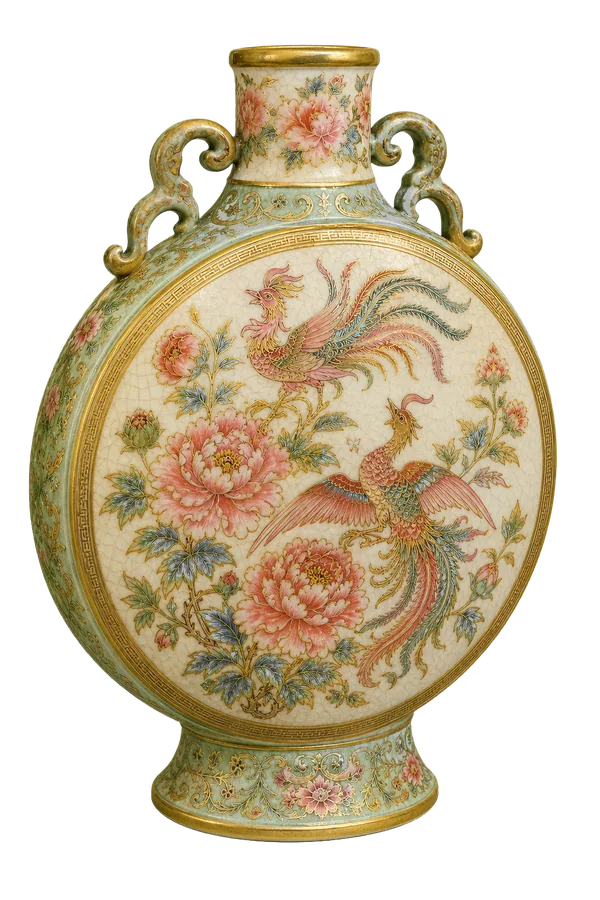
Because the old vase, watch, or painting you found might have a wonderful story.
Estimate resale profit, check a silver find, or set a safer auction limit before you buy.
Start with a focused guide when a mark, material, or family heirloom needs more than a visual match.
Download Antique Identifier and start your next discovery on Android or iPhone.


A few useful notes for getting the most from an antique identification app.
Yes. Antique Identifier uses a photo of your object to suggest what it is, when it may have been made, where it could be from, and the clues behind the result. For the best match, photograph the whole item and any maker’s marks or hallmarks.
The app can provide an indicative value range to help you research a piece, compare similar objects, or decide what to look into next. It is not a formal appraisal, and condition, provenance, rarity, and local market demand can change the final price.
Try furniture, ceramics, glassware, jewelry, paintings, clocks, coins, toys, books, textiles, decorative objects, and vintage finds. If the object is unusual, the app can still surface useful visual clues and research directions.
Antique Identifier is available today on Google Play and the App Store.
Use daylight, keep the item in focus, avoid reflections, and include a second close-up of signatures, stamps, labels, or unusual details. A clean background makes the object easier to analyze.