Better answers begin with better clues.
Practical guides for collectors, estate-sale shoppers, resellers, and curious owners. Learn how to photograph antiques, read marks, compare construction, document condition, and research a realistic value range.
Original editorial guides · Updated as the app evolves
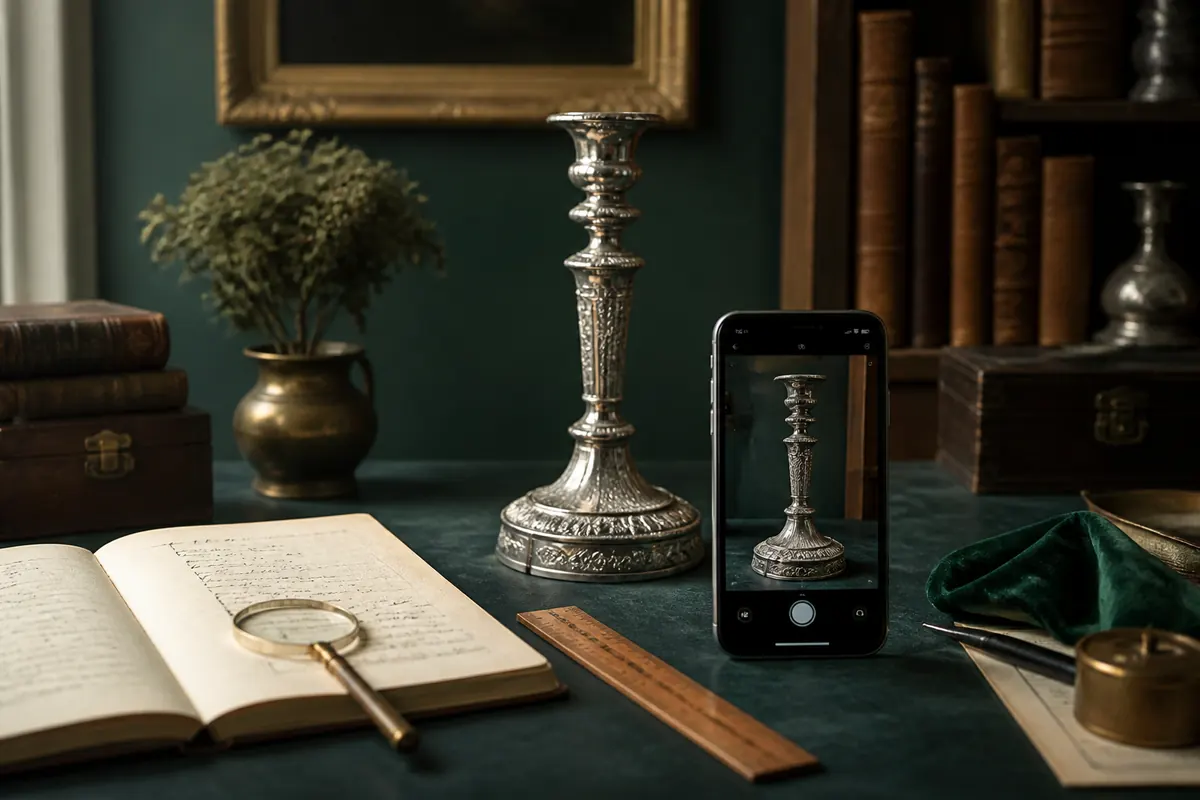
A photo identifier is a starting point, not a substitute for evidence. Our journal explains the clues worth capturing and the questions worth asking before you buy, sell, restore, insure, or pass along an old object. When a guide refers to a value, treat it as research context: condition, authenticity, provenance, comparable sales, venue, and demand can all change the result.
How to Identify an Antique from a Photo: A Practical Guide
Learn how to identify antiques from photos using shape, materials, marks, construction, condition, scale, and provenance clues.
Read the guide →How to Photograph Antiques for Identification: A Complete Photo Guide
Learn how to photograph antiques for identification with clear lighting, useful angles, scale references, maker-mark close-ups, and honest condition photos.
Read the guide →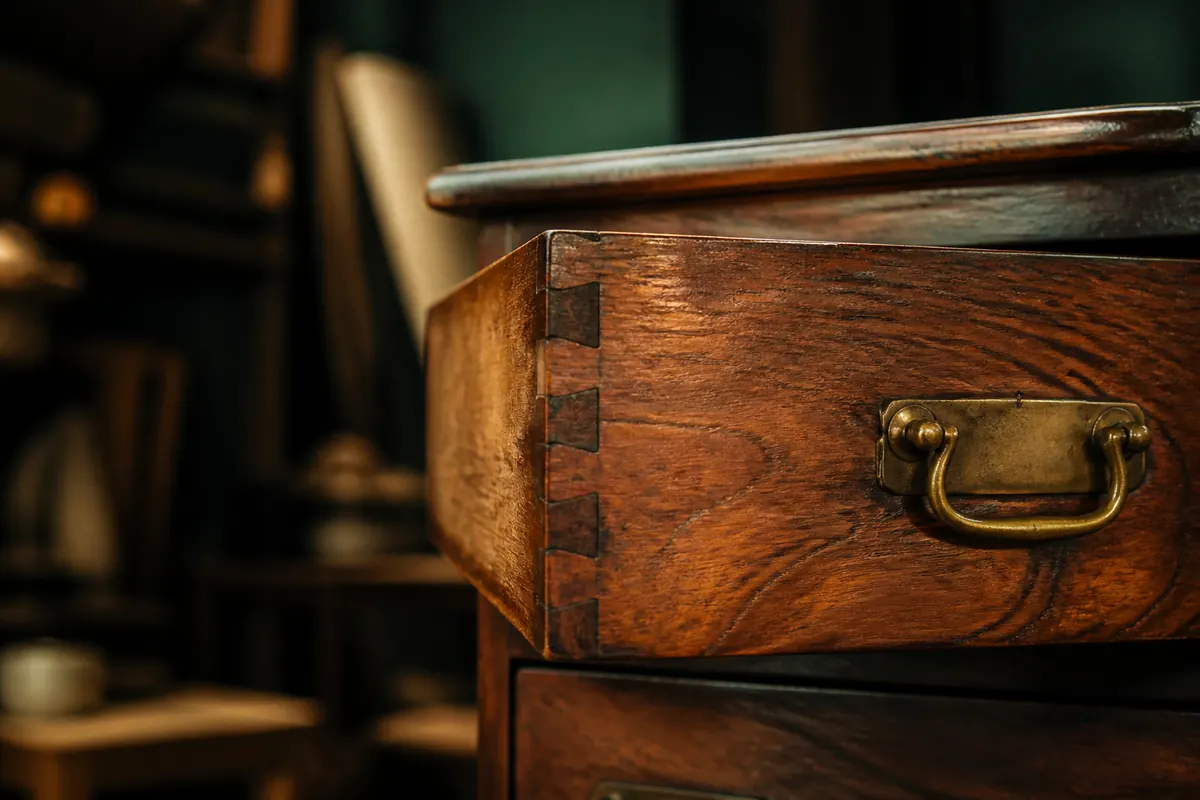
Antique Furniture Marks and Joinery: How to Read the Evidence
Learn how to examine antique furniture marks, dovetails, screws, wood, hardware, finish, and repairs without mistaking a style for proof of age.
Read the guide →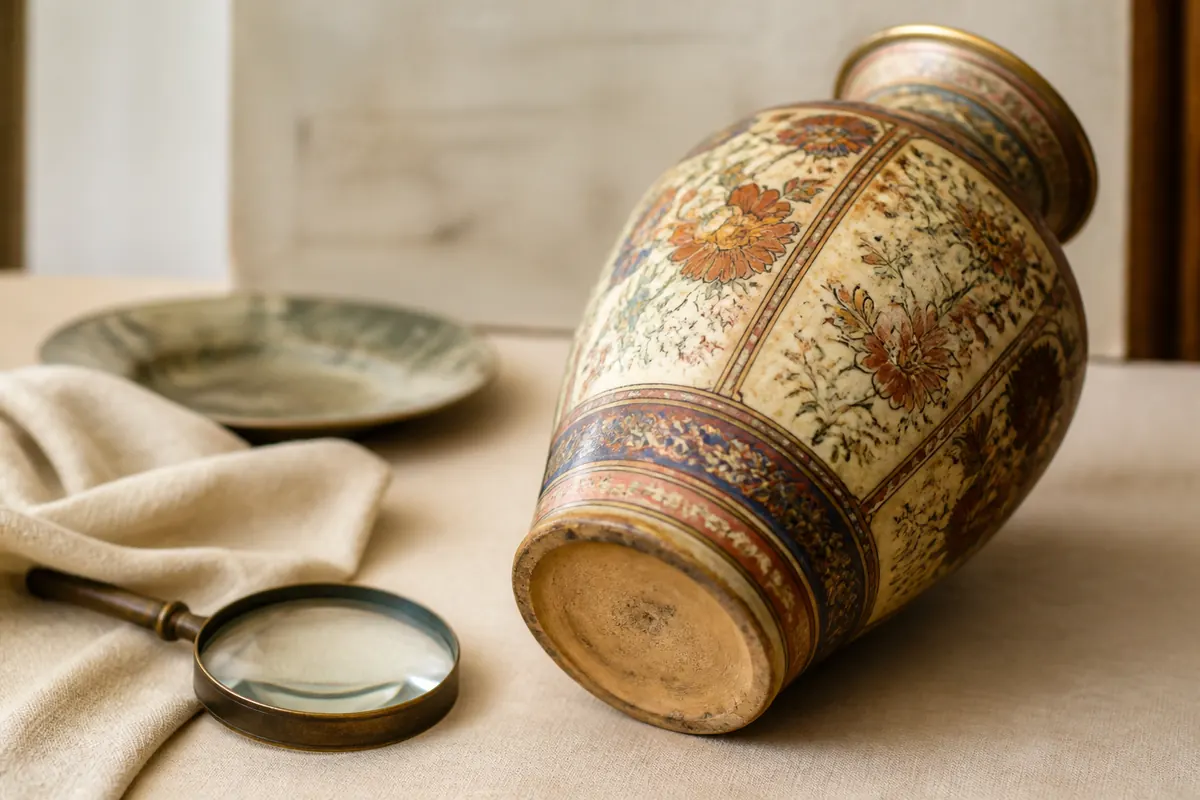
Pottery Marks Identification: Maker, Date, and Origin Clues
Learn how to read pottery marks, backstamps, clay, glaze, form, decoration, foot rims, and condition before researching a ceramic piece’s maker or value.
Read the guide →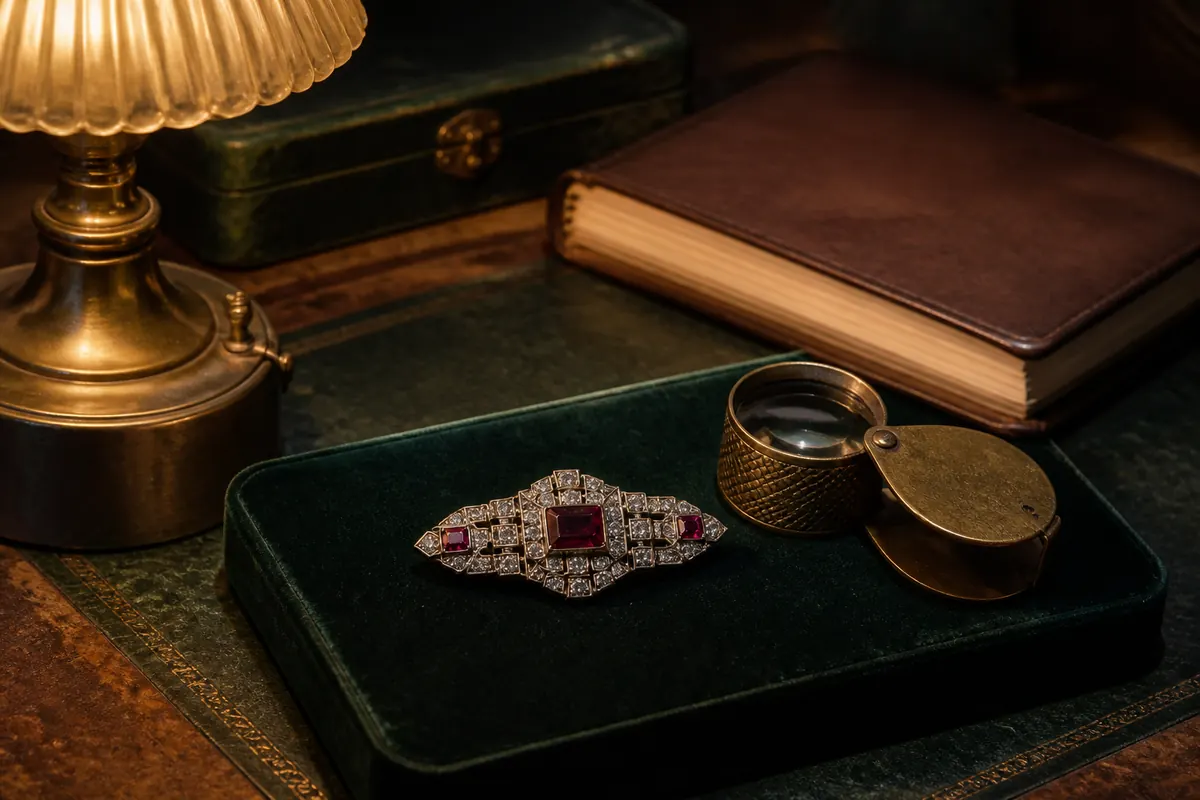
Antique Jewelry Hallmarks: How to Read Marks and Dating Clues
Learn how to photograph and interpret antique jewelry hallmarks, maker marks, metal tests, construction, gemstones, wear, and reproduction clues.
Read the guide →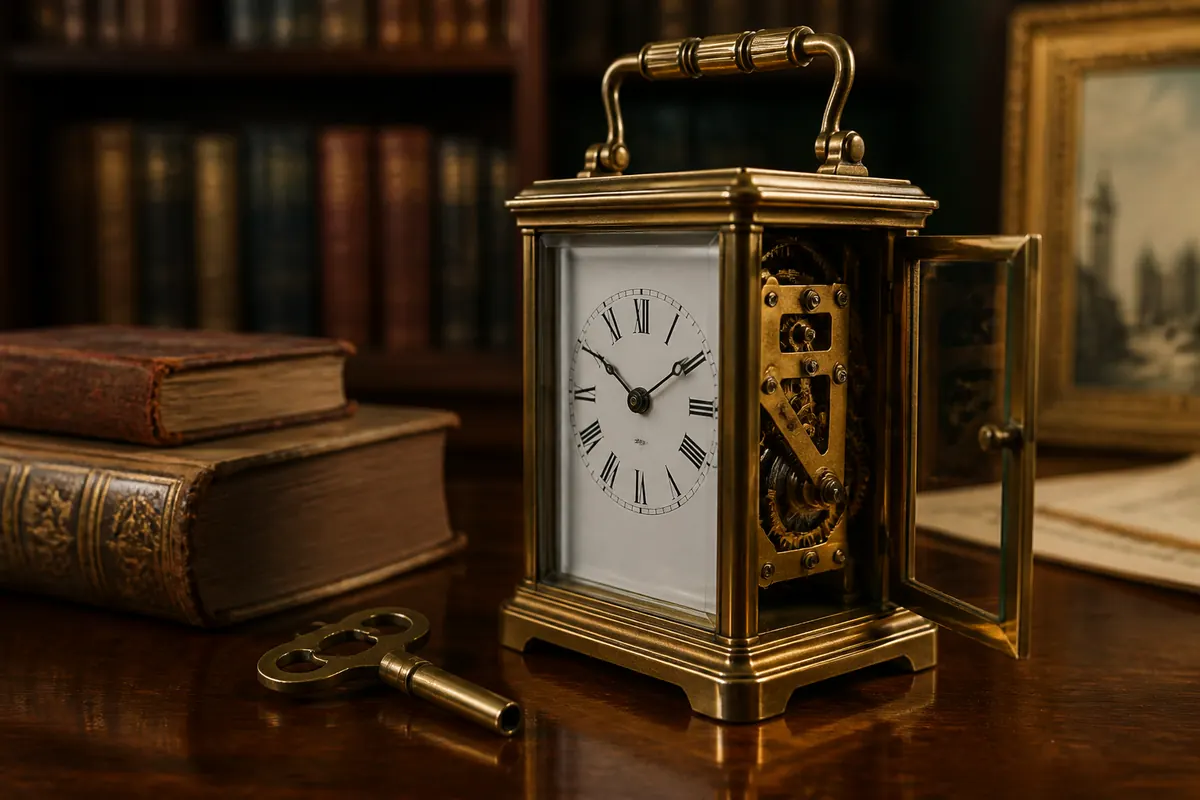
How to Identify Antique Clocks: Cases, Dials, and Movements
Learn how to identify antique clocks by case, dial, movement, maker marks, labels, chimes, materials, repairs, and safe photography.
Read the guide →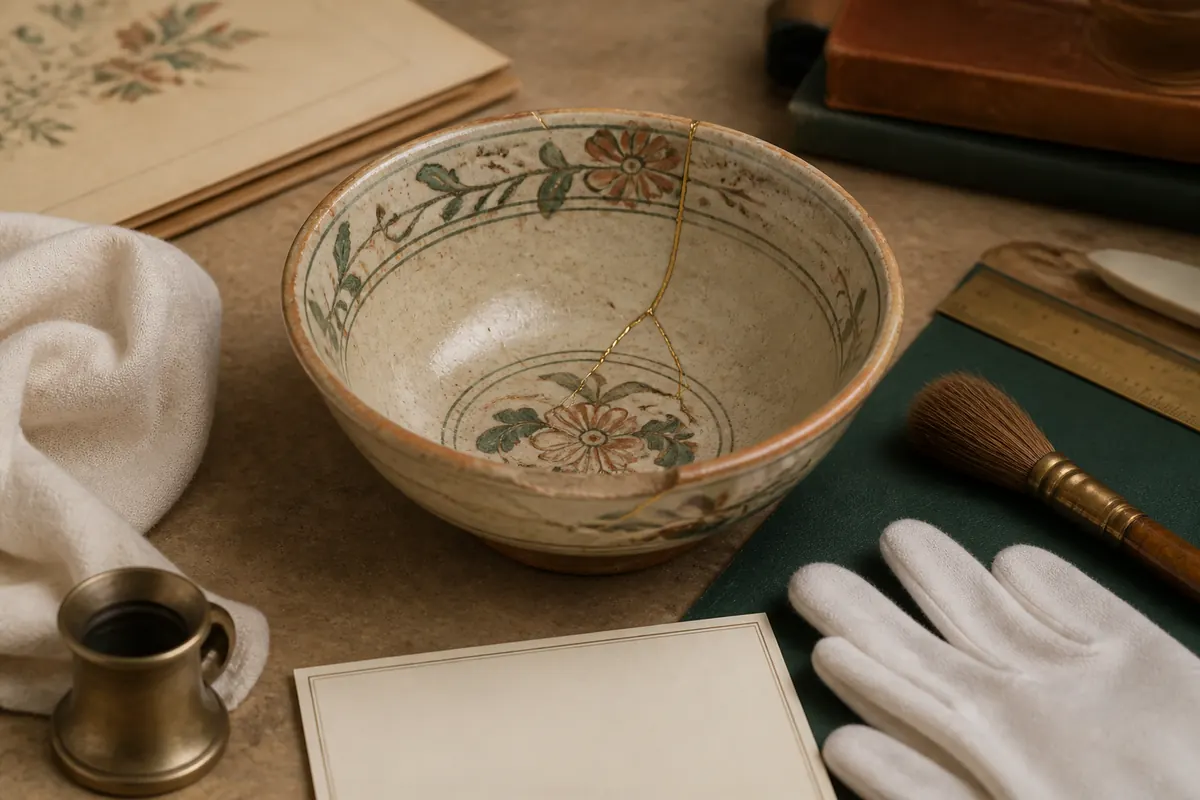
How Condition Affects Antique Value: A Collector’s Guide
Understand how original finish, repairs, completeness, wear, restoration, damage, and provenance affect an antique’s market value and listing price.
Read the guide →Turn a curious find into a research trail.
Scan an object on Android or iPhone to get a first-pass identity, age clues, history, and an indicative value range. Then use the guide library to verify the details that matter.